
How Case Managers Help Clients and Families Navigate Life After a Brain Injury
A brain injury can change life in an instant. Following a serious injury, families are often faced with navigating rehabilitation, therapies, education, equipment, support workers, and significant changes to everyday life. It can be an overwhelming time, with many questions about what support is needed and where to access it.
Whether supporting a child, or an adult, the challenges can be complex and far-reaching for both the individual and their family.
When a solicitor becomes involved following a personal injury or clinical negligence claim, a case manager can play a vital role in coordinating rehabilitation and helping clients and families navigate life after a brain injury.

Understanding the Individual Behind the Injury
No two brain injuries are the same. Some people experience physical difficulties, while others may face challenges with memory, concentration, communication, fatigue, behaviour, or emotional wellbeing. Often, there is a combination of these factors.
One of the first things a case manager does is get to know the client as an individual. It's important to understand not only their rehabilitation needs, but also what matters to them, their interests, their goals, and what they would like their future to look like.
A successful rehabilitation plan isn't just about recovery. It's about helping someone rebuild their life in a way that is meaningful to them.
Coordinating Rehabilitation
Following a brain injury, clients are often supported by a number of different professionals. This may include Occupational Therapists, Physiotherapists, Speech and Language Therapists, Neuropsychologists, Educational Psychologists, and support workers.
Each professional plays an important role, but coordinating appointments, sharing information, and ensuring everyone is working towards the same goals can quickly become overwhelming for families.
Case managers help bring everything together. They act as a central point of contact, working closely with the rehabilitation team to ensure support is coordinated, effective, and focused on achieving the best possible outcomes for the client.
Supporting Families Through a Challenging Time
Brain injuries affect more than just the individual. Parents, partners, siblings, and wider family members are often adapting to a completely new way of life.
Families can find themselves managing appointments, making important decisions, advocating for services, and trying to balance everyday responsibilities alongside supporting their loved one.
Having a case manager means having someone to help guide the process. Whether that's providing information, coordinating services, liaising with professionals, or helping families understand their options, case managers help reduce some of the pressure during what can be an incredibly challenging period.
Accessing the Right Support
One of the key roles of a case manager is identifying what support will help a client achieve their goals and maximise their independence. The support required will vary depending on the individual's age, circumstances, and aspirations, whether that's helping a child access education, supporting a young person to develop independence, or assisting an adult to return to work or community activities.
This may include arranging:
Specialist rehabilitation
Support workers
Therapy programmes
Specialist equipment
Educational support
Home adaptations
Vocational or employment support
Community and leisure opportunities
Case managers coordinate assessments, obtain recommendations from professionals, and work alongside solicitors and rehabilitation teams to ensure appropriate support is put in place.
Looking Beyond Rehabilitation
While rehabilitation is a crucial part of recovery, life after a brain injury is about much more than therapy appointments.
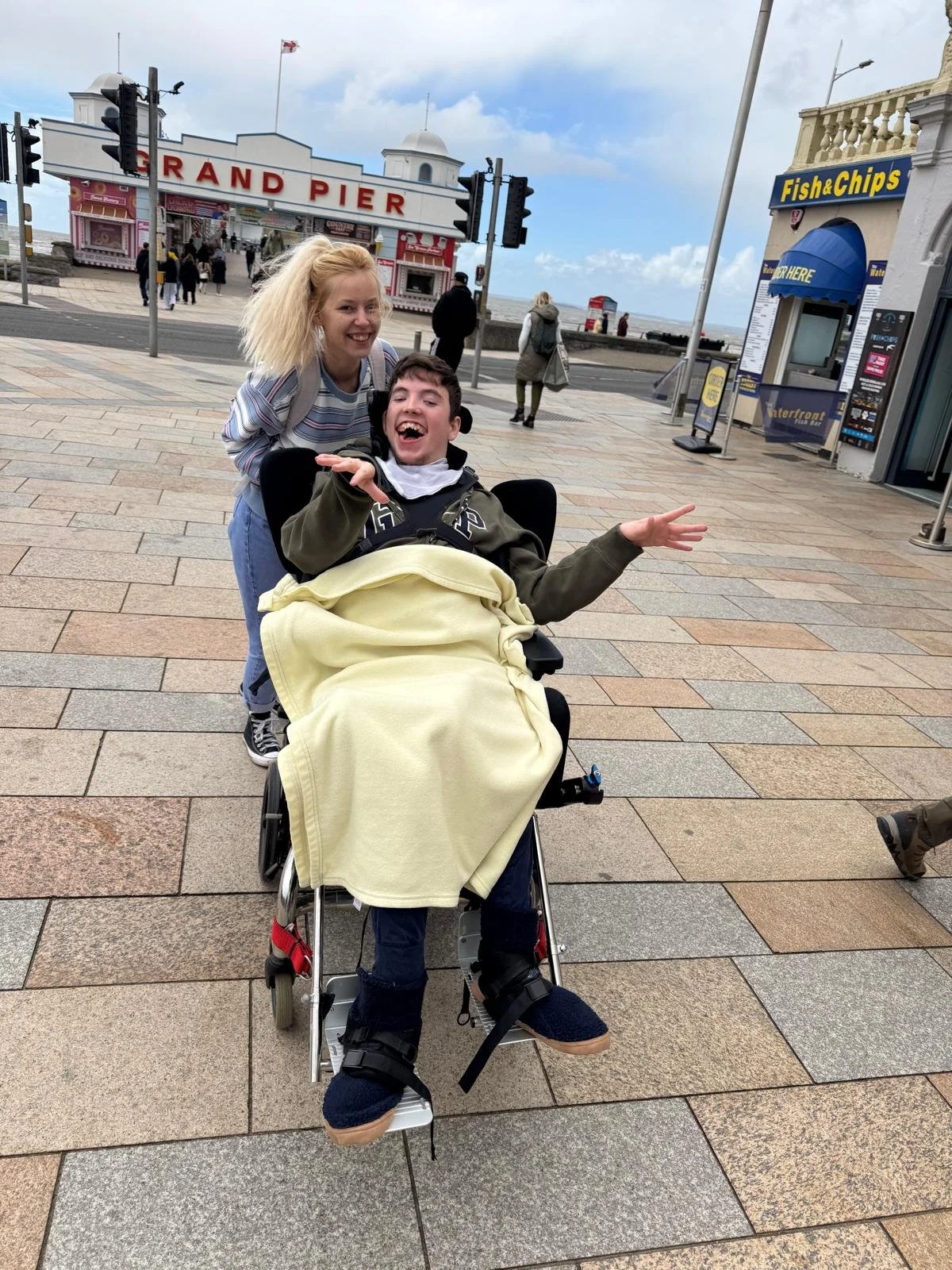
For some clients, it might be returning to education. For others, it could be developing independence at home, accessing the community, pursuing hobbies, travelling, volunteering, or returning to employment.
Case managers help identify meaningful goals and work alongside the client, family, and wider team to achieve them. Every journey is different, but the focus remains the same: helping people live fulfilling and rewarding lives.
Working Alongside Solicitors
Many of the clients we support have sustained life-changing injuries following an accident or as a result of clinical negligence.
In these situations, case managers work closely with solicitors to ensure rehabilitation needs are identified and addressed as early as possible. A key part of our role is carrying out detailed assessments to understand both the client's current and future needs. This includes looking at rehabilitation, support workers, specialist equipment, accommodation, education, employment, and the long-term impact of the injury on everyday life.
By building a clear picture of what support will be required both now and in the future, case managers provide valuable evidence that helps solicitors understand the full extent of a client's needs. This can play an important role in securing appropriate funding for rehabilitation and ensuring any settlement reflects the support, care, and resources required over the client's lifetime.
Ultimately, the focus is always on supporting recovery, promoting independence, and helping clients achieve the best possible quality of life, both now and in the future.
Planning for the Future
The effects of a brain injury can change over time, and new challenges may emerge as a person progresses through different stages of life.
Case managers provide ongoing oversight, reviewing support regularly and adapting plans as needs change. Whether it's transitioning into further education, exploring employment opportunities, recruiting support workers, or accessing new rehabilitation services, case managers help clients and families prepare for the future with confidence.
How We Can Help
At Blue Skies Case Management & Care, we work alongside solicitors, rehabilitation professionals, clients, and families to coordinate rehabilitation and support following life-changing injuries.
Through a person-centred approach, we help children, young people, and adults access the therapies, support, equipment, and opportunities they need to maximise independence and quality of life.
If you're a solicitor looking for an experienced case management provider for a client with a brain injury, we'd be happy to discuss how we can help.
Supporting rehabilitation, promoting independence, and helping clients and families navigate life after a brain injury.